This Guide Will Assist You To Upgrade To Windows 8 And Office365.
Windows 7’s discontinuation of support marked the end of a era in the management and licensing of software. For individuals and businesses clinging to `windows 7`, the upgrade path to Windows 11 is not a simple re-installation–it’s a migration to a fundamentally different digital paradigm. This includes everything from the method you purchase the “windows 11 license” to how your system is protected and how you work with Office. The previous world comprised one-time software purchases, physical discs, and isolated suites of software was replaced with cloud-integrated subscriptions, digital licenses, and ecosystem wide security. Understanding the ten connections of legacy practices with modern necessities is essential to navigating this shift. Your OS decisions directly affect the productivity of your suite as well as your security, and your future scalability.
1. Hardware Gauntlet. Your first and unassailable step.
Before you even think about purchasing windows 11, you have to meet the Windows 11 hardware requirements (TPM 2.0 Secure Boot Modern CPU). This test is not able to be completed on all Windows 7 machines, particularly ones that are older than 2017. This isn’t an attempt to steal Microsoft cash-grab. It’s a mandatory security measure. These security features are the “hardware foundation of trust” upon which modern security tools like Windows Defender or even third-party software such as kaspersky premium depend. In the absence of ISO requirements using an unofficial ISO modification creates an unstable system that is unsupportable, and will nullify the essential security features of the upgrade. It leaves you more vulnerable in Windows 7 than it was prior to.
2. License Migration Myth: Your Windows 7 key is (mostly) outdated
In the past, you could often utilize a Windows 7 Pro key to activate Windows 10. Windows 11 has effectively ended the grace period. If your current Windows 7 license isn’t up-to-date there is no value in upgrading Windows 11 on the same hardware. You’re beginning from scratch. In the end, your search to find windows lizenz purchase will be a new acquisition exercise that forces you begin from scratch.
3. The Office Licensing Revolution.
If you are using Office 2010 or Office 2013 on Windows 7 you are accustomed to a perpetual “office license”. Office 2021 was a dead end product the day it launched. It received security patches but had no new functionality. Microsoft 365 subscriptions are the only method to increase productivity. This is a major shift: You’re not only upgrading Office, you’re also adopting a new cloud identity (Azure Active Directory), getting 1TB OneDrive storage and enabling real time collaboration. The traditional practice of buying Office only once every 10 years is now being replaced by an annual operational cost that includes ongoing updates and service.
4. Security Should Not Be an Afterthought. Change the paradigm.
Windows 7 likely had a strategy that included a third-party anti-virus suite like the older Norton 360. Windows 11 changes everything. Its built-in Windows Security (Defender) is now a top-of-the-line, cloud-integrated security solution. It’s not enough just to install your third-party application. This could lead to performance and conflict issues. The moment to upgrade is the perfect opportunity to evaluate. Is a separate security suite like Kaspersky Premium, necessary or can Defender and the latest hardware capabilities suffice? The answers will vary based on your threat model. But the idea that you must purchase separate antivirus software is no more the case.
5. The Clean Install Imperative and Data Migration Strategy
Upgrades from Windows 7 to Windows 11 are not supported. Instabilities can result. The installation must be free of any contamination. This forces a disciplined migration of data. It’s time to switch your local drives over to cloud backups. Microsoft 365 comes with OneDrive. Setting up Known Folder Move, which backs up Desktop, Documents and Pictures during the set-up process, transforms data migration from a laborious manual task into a seamless, continuous cloud-syncing procedure. Data is no longer tied to a PC, but rather becomes more user-centric.
6. The Professional Feature Crossroads – Professional is the New Minimum.
Windows 11 Pro is mandatory when you previously used Windows 7 Professional as a domain joiner, BitLocker host, or Remote Desktop host. Windows 11 Home key is a disastrous error for business and professional users. Home lacks BitLocker and Group Policy Editor. It is unable to join domains, and can’t encrypt information. Windows 11 Pro with a Microsoft 365 Business Subscription or a Retail License is the best option for anyone who wants to upgrade from Windows 7 Pro.
7. Beware of the Grey Market siren call During Transition.
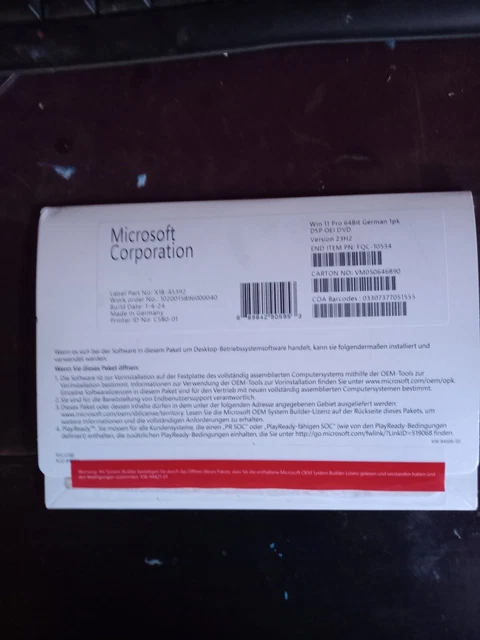
Many people are driven to buy cheap “windows 11 OEM” keys on gray markets because of the pressure to upgrade, and it is a shock to the wallet when you purchase new licenses. This is a huge mistake during a transition. The keys aren’t working and you are left with an illegitimate system just as you begin to build your new one. Investing in a legitimate Retail license or subscription with Windows (like Microsoft 365 Business) will give you peace of heart with direct support and a definite upgrade path in the near future. The cost of buying a grey-market key is the total loss of data and time when it is inevitably removed.
8. Cloud-based Future-Proofing using the Server Connection
Windows Server 2025 is most likely to be the future of your Windows 7 computer if it was part of a domain. Modern integration here requires not only Windows 11 Pro, but as well as a knowledge of cals` (Client Access Licenses). Azure Active Directory is a cloud-based alternative that is included in Microsoft 365 Business. It’s important to consider your options when upgrading to Windows 7. Do you decide to invest in on-premise servers and licenses, or would you switch to cloud-based identity and device (Intune) that is accessible through a subscription. The cost and licensing structure for both options are totally different.
9. Driver Archaeology and the Need to Have an Modern Hardware Base
Windows 7 was successful because of the huge library of legacy drivers. Windows 11 relies on modern cloud-based drivers, which are often available via Windows Update. Windows 7 is often the only device which can run special hardware. The upgrade evaluation must include an exhaustive hardware compatibility test. This usually indicates that a true upgrade requires new hardware, making the option of purchasing a brand new PC with a legitimate pre-installed Windows 11 OEMlicense the most sensible and stable path forward.
10. A shift in philosophy From Ownership to Access and Management.
Upgrades to Windows 7 are a shift in mindset. It’s a shift from owning a static piece of software (windows 7 DVD or Office 2010 box) or subscribing to an ongoing service that is constantly updated, or purchasing a license with strict transfers rules. It is a transition from an antivirus that is attached to a hardware-based protection. The data you store is transferred from local storage to the cloud. Embracing the holistic change with genuine Windows 11 Pro licensing, a Microsoft 365 membership, and using the latest security features – is the only option to make sure that the upgrade is not just a brand new OS, but a resilient and scalable computing platform for the coming decade. View the top rated windows 11 lizenz kaufen for website advice including windows server 2019, microsoft office key, office 365 office key, windows and office, windows & office, windows office, office 2016, visio software download, outlook software download, visio download and more.

The Real Cost Of Software. How A Legitimate Windows License And Antivirus Save Money.
In the world of digital technology spending less money on software in the short-term can have disastrous consequences for the long term. An oem from windows that is not a grey market, or a premium version of Kaspersky antivirus isn’t worth the risk of purchasing an unreliable key. The true cost of software is not its purchase price, but the Total Cost of ownership (TCO): the sum of security breaches, downtime, data loss penalties for compliance, and the loss of productivity over its lifespan. Users and businesses are not advised to consider a genuine Windows lizenz or professional-grade software suite as expenses. Instead, they should view these as essential infrastructure investments that will provide tangible returns by decreasing risk. This report identifies 10 hidden cost centers which can make the “cheap alternative incredibly costly. The dots connect from OS licensing, to productivity software and server infrastructure.
1. The Grey Market License Is a Liability, not an Asset
When you buy a Windows 11 license from an unlicensed vendor and you are responsible for it, it is your responsibility. These keys, often volume license or MSDN keys that violate terms, are subject to bulk deactivation by Microsoft. The immediate cost is a non-functional OS, but the actual cost is the unfunded crisis that will result from the time spent on IT work to recover information, the expense of an authentic license at a retail price under duress and the downtime for businesses when a crucial workstation becomes an impediment. This is much more expensive than the $30 “savings” that came with the initial key. An authentic license is an asset that is dependable on to work reliably for the duration of the life cycle of the hardware, regardless of whether it is it’s the retail version or the OEM-authorized version.
2. Security Software Efficacy is determined by OS Integrity.
Antivirus programs like “norton 360” or “kaspersky premium” are based on the kernel and need an operating system that has an encrypted core. Grey-market Windows installations often use modified system files or scripts to enable activation to bypass verification. These modifications may be flagged as malicious, destabilizing security suites, or more dangerously, they can create backdoors, rendering the antivirus blind. The kaspersky Premium security guard is stationed outside of the building, which has architectural plans that are sold to criminals. The security guard’s efficiency is ruined because of the foundation that has been ruined.
3. Time Bombs for Compliance and Audit – The Business Impact
Software audits can be a game of Russian roulette for businesses that uses unlicensed software. If a company is using Windows server 2025that has the correct”cals” but clients running grey market Windows, an audit triggers a “true-up” bill for the entire retail cost of any illegitimate desktop license and possible penalties. This is an abrupt capital expenditure that is not budgeted and could be in the tens of thousands of dollars, utterly overriding any previous “savings.” The legal license is an insurance policy against this type of financial shock.
4. Data Loss: The Most Expensive Unbudgeted Cost.
Unpatched vulnerabilities are the main vulnerability used by ransomware to steal data and then encrypt files. Windows Updates may be damaged or delayed by non-genuine Windows. The system is at risk without regular security updates. An infected system could be bankrupting for small businesses. This is a concern for ransom, (with no guarantee of restitution), IT forensics services, data loss, and the interruption of operations. The cost of Windows 11 Pro and a premium antivirus subscription are nil when compared to the risks.
5. Productivity suite Instability, with a Fake foundation.
Installing a valid office licence on a fake Windows install, whether it’s a perpetual office lizenz, or a Microsoft 365 membership, is as if you’re building on quicksand. Office updates and activation services are tightly linked to Microsoft’s ecosystem. Windows that is deactivated may prevent Office from activating, leading to a reduced number of functional banners. It may also cause issues with cloud sync, as well as crashes. If the OS is designed to fail and then the investment in productivity software will be unwise. Stable productivity requires a stable and reliable OS.
6. The IT Work Multiplier within a Fragmented and Unofficial Stack.
A network of PCs with grey-market keyboards antivirus software from various vendors, and no central management can be a nightmare for IT. Every issue, even if not supported, is difficult to diagnose and distinct. Compare this with a fleet that has legitimate Windows 11 Pro licensing, managed by Intune included in Microsoft 365 Business and a centrally controlled security console. The latter dramatically reduces the average time to repair an issue (MTTR). The “savings on software licenses” are directly translated into exponentially increased, ongoing costs of labor for your IT personnel.
7. The Upgrade Path Dead-Ends and its Future Cost
The gray-market “Windows 11 home key” (or “Pro key”) doesn’t provide a legitimate upgrade path. When the time comes to move equipment or join the new Windows Server 2025` system then you’ll need to buy an entire license, often at a higher price. An active Retail License can be transferred. Microsoft 365 comes with continuous upgrade rights. The cheaper key can make you a victim of repurchasing while the legal route offers an unambiguous and dependable route to protect the initial investment.
8. Performance Taxes on Software “Bargains” and Conflicts
These tools, that are used to activate grey market Windows, run background processes that use resources for memory and CPU, and interfere with security and other software tools. The “performance tax” can slow down trading platforms, development environments and creative suites. The time lost to slower performance–compounded over months and years–represents a significant, hidden cost in lost human productivity. A well-maintained and reliable system will make sure that all hardware resources are used for the actual tasks you need to complete.
9. Professional Reputation and Client Trust Eroding
Unlicensed Software can be a Professional Liability for any business. If a customer or partner discovers that your business has cut corners on foundational software that is unlicensed, it will irreparably damage trust. This can be an indication of disregard for the law. Security and operational integrity. In funding bids or during the process of due diligence to qualify to receive funding, it could be disqualifying. The loss of contracts, loss of partnerships, and harm to your reputation are expenses that are much higher than the cost for an software license.
10. The benefits of a comprehensive ecosystem is greater than. the value of a collection of “savings”.
It is recommended to utilize a comprehensive, legal ecosystem. Microsoft 365 Business Premium, for example, is a great option for businesses. It comes with Windows 11 Pro with upgrade rights, the most recent Office apps and secure cloud storage with 1TB, business email as well as advanced mobile security management, and all this at a predictable price per user. This will eliminate the gray market Windows hunt and standalone Office licenses and third-party antivirus since it has enhanced Defender. The TCO of the system is clear easily manageable and legally compliant. The “savings”, resulting from the unlegitimate assemblage of elements, is just a figment of the imagination. It is gone once you expose it to reality, including risk, labor costs, and financial loss. Read the top rated office lizenz for more tips including ms visio, visio software download, office 2016, microsoft office 2019, windows office, windows server 2019, ms visio, office key, key 365 office, office 2019 professional plus and more.